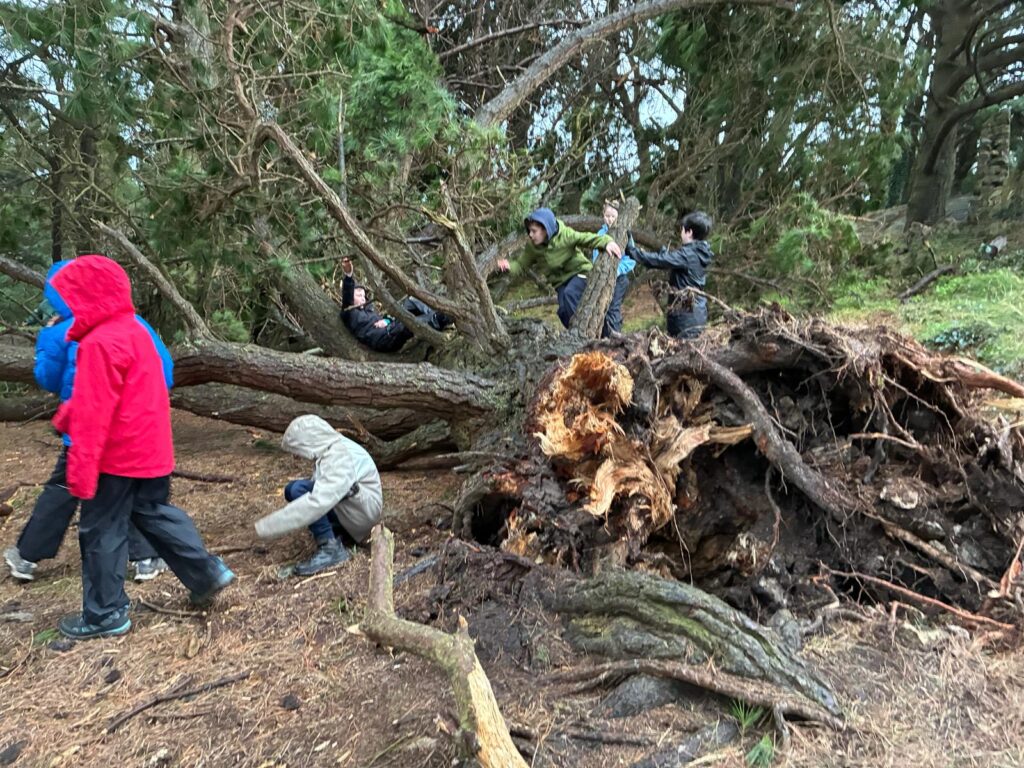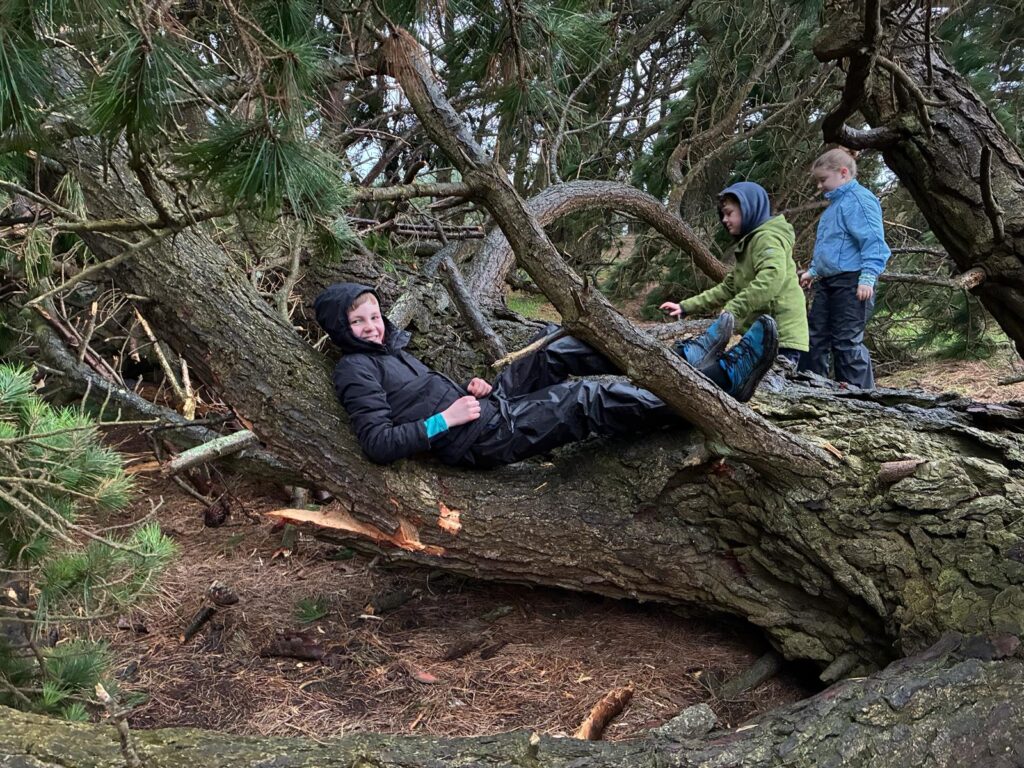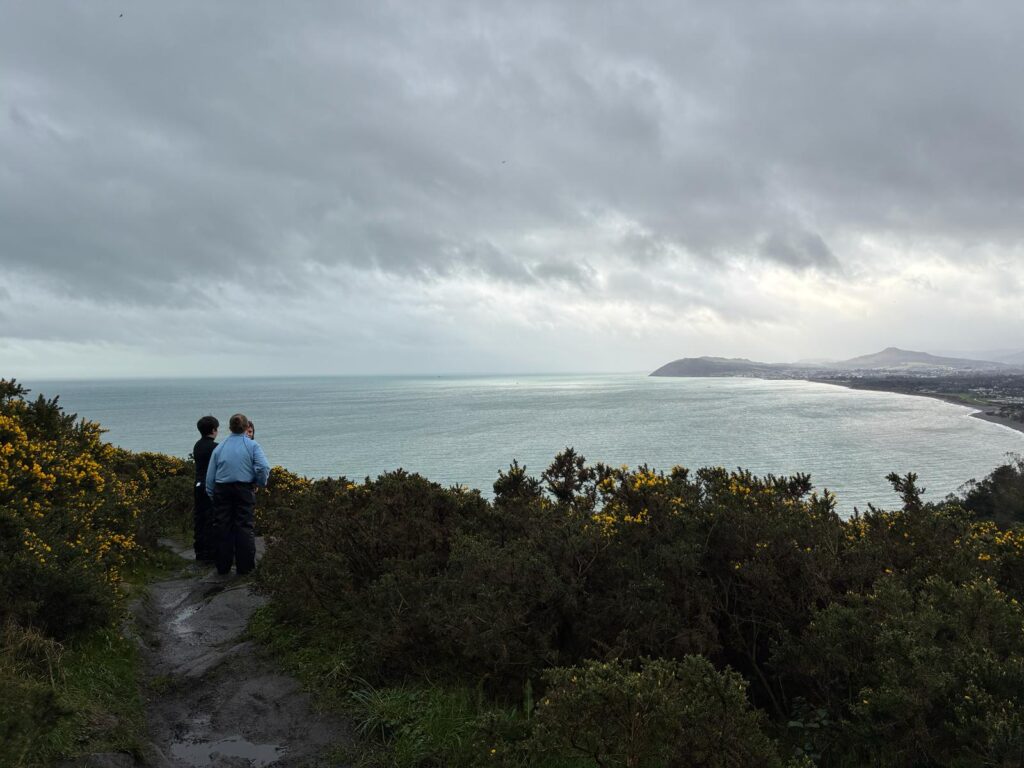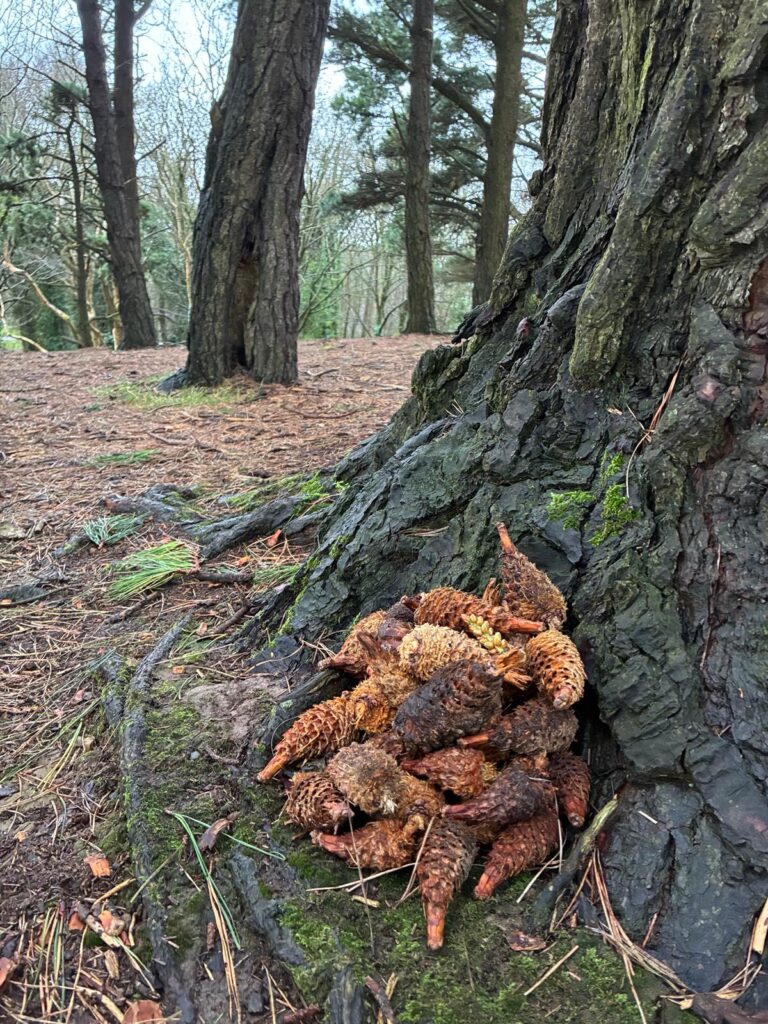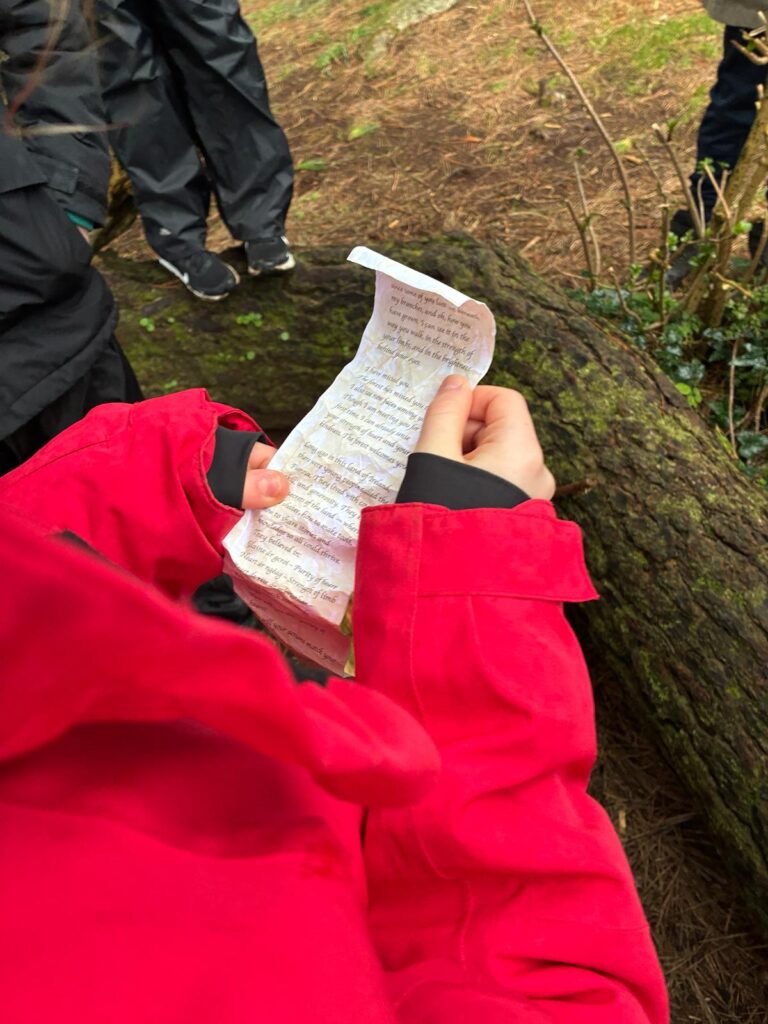

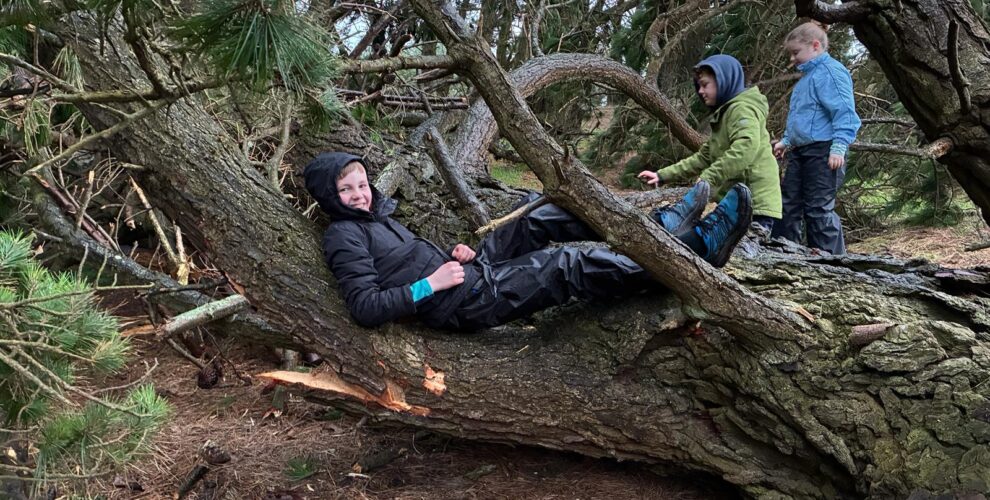
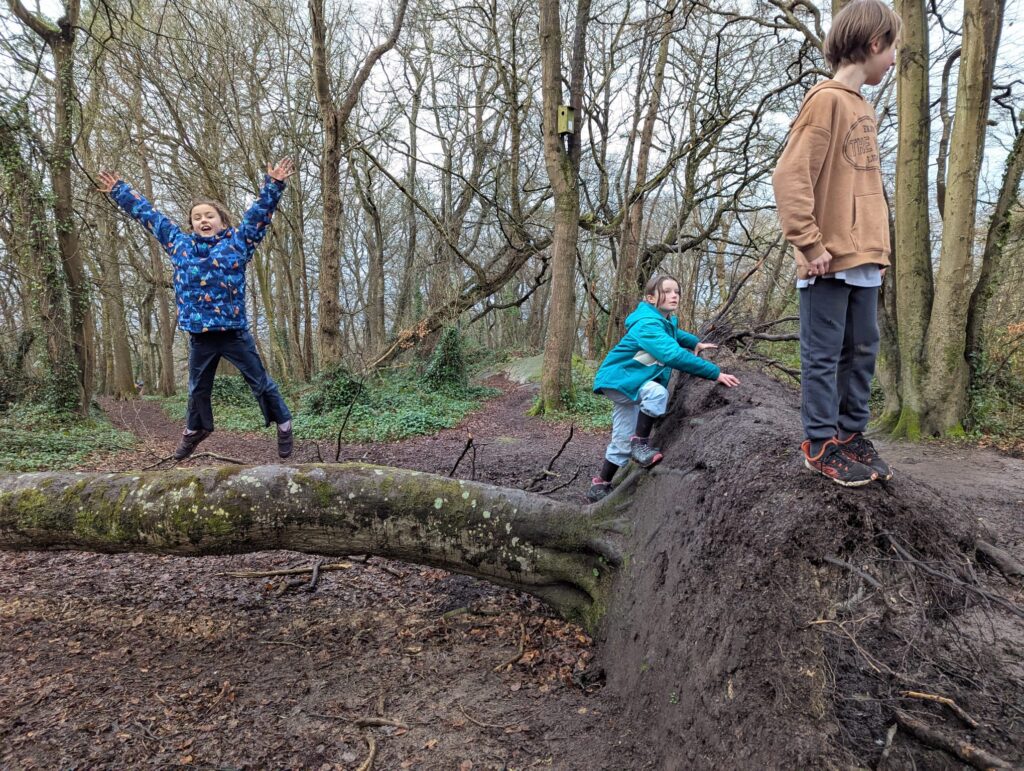
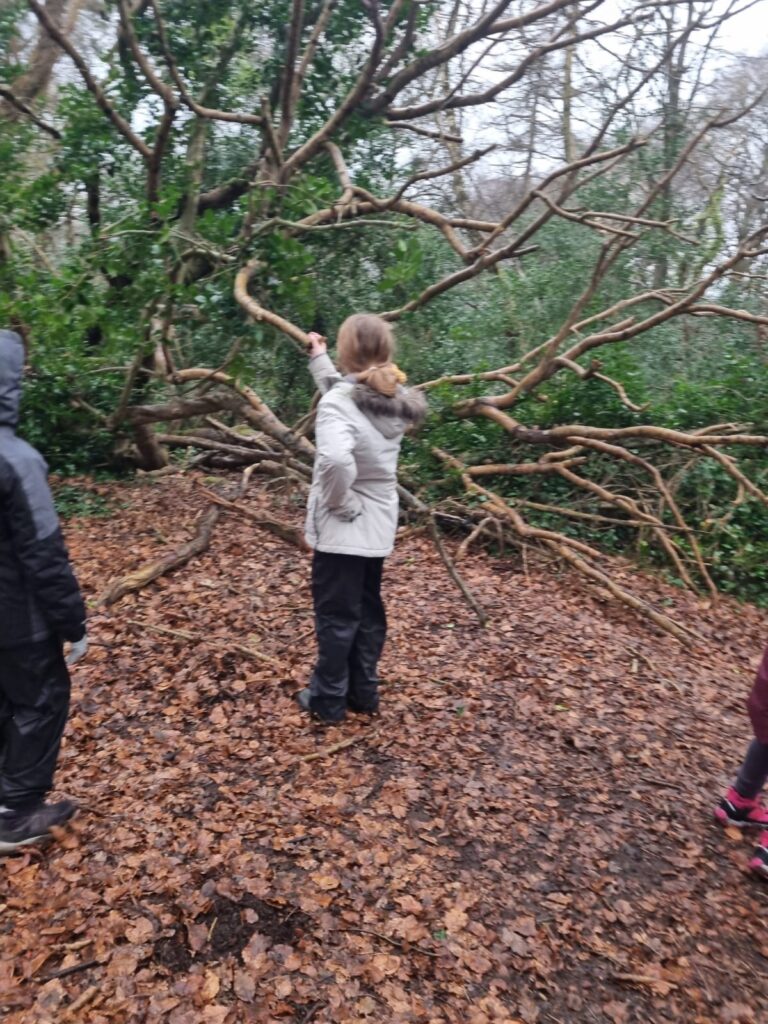
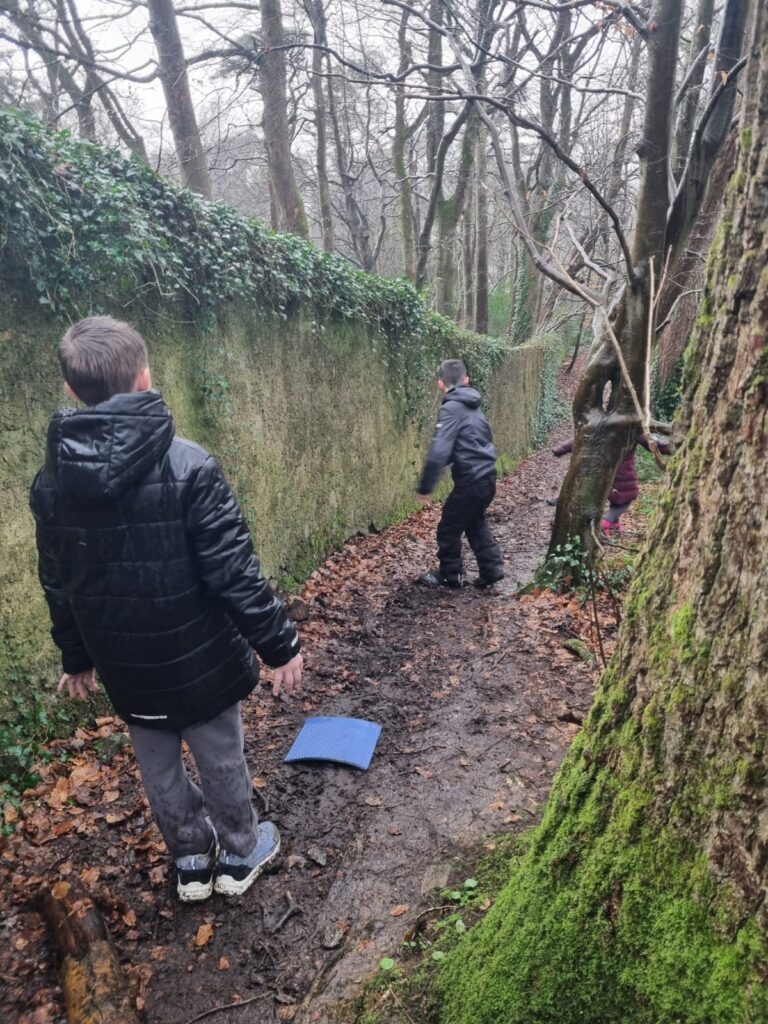
The woodland welcomed us back with gentle rain, lots of mud and some fallen tree friends.
Each group does things differently – diversity in action
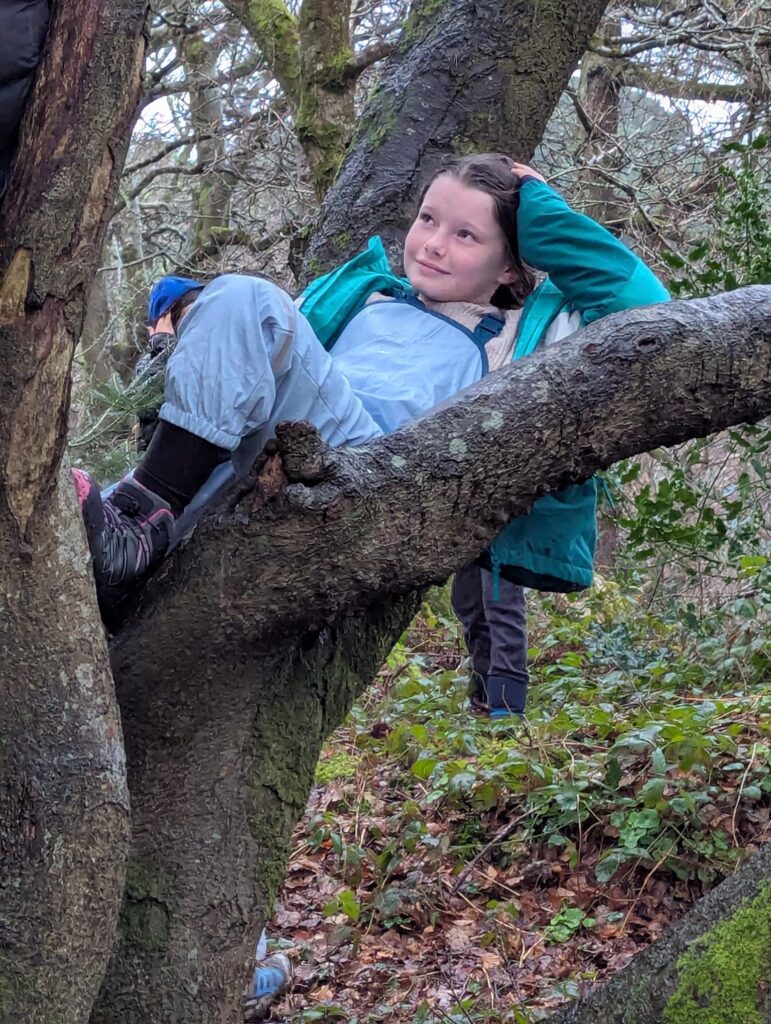
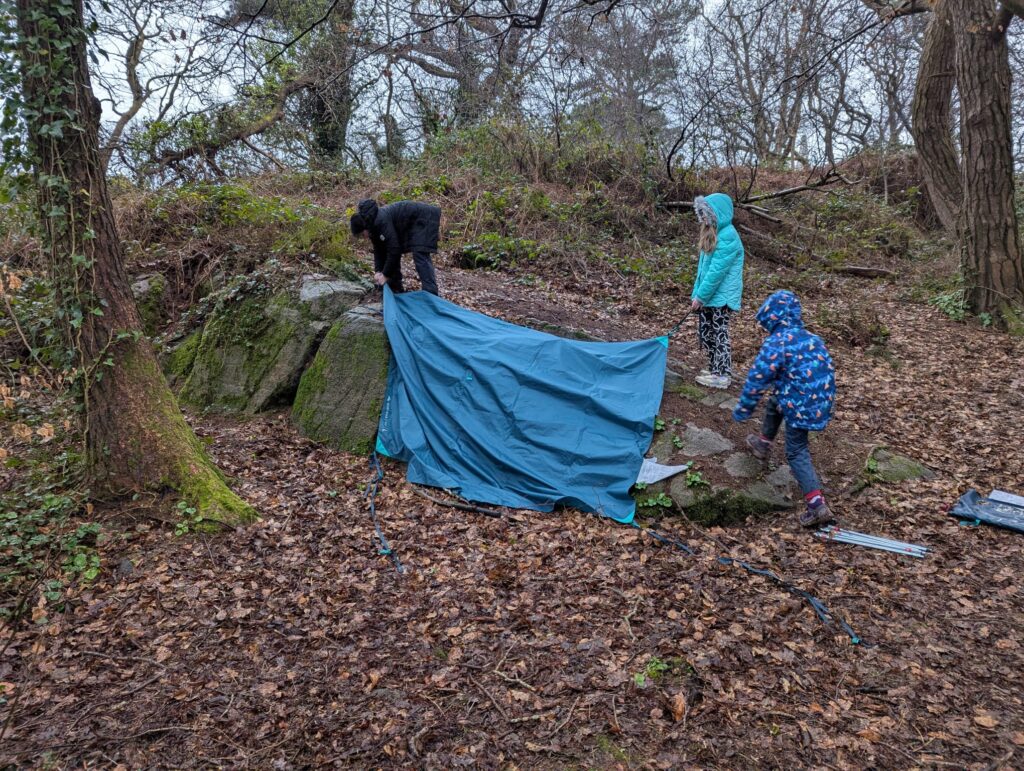
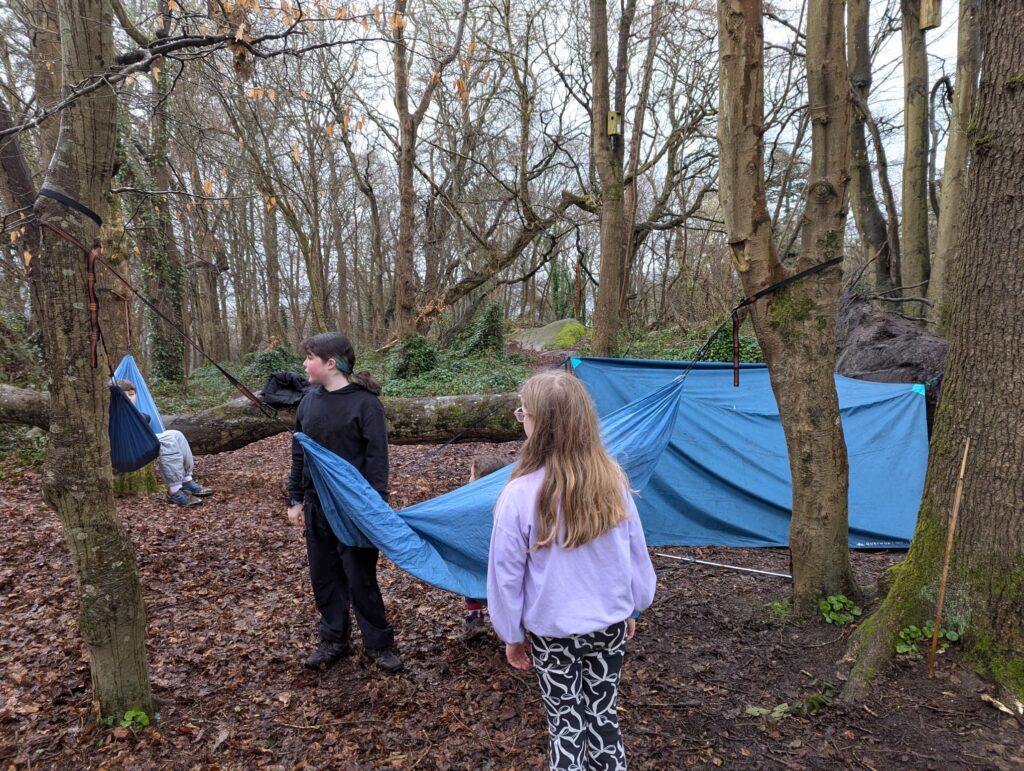
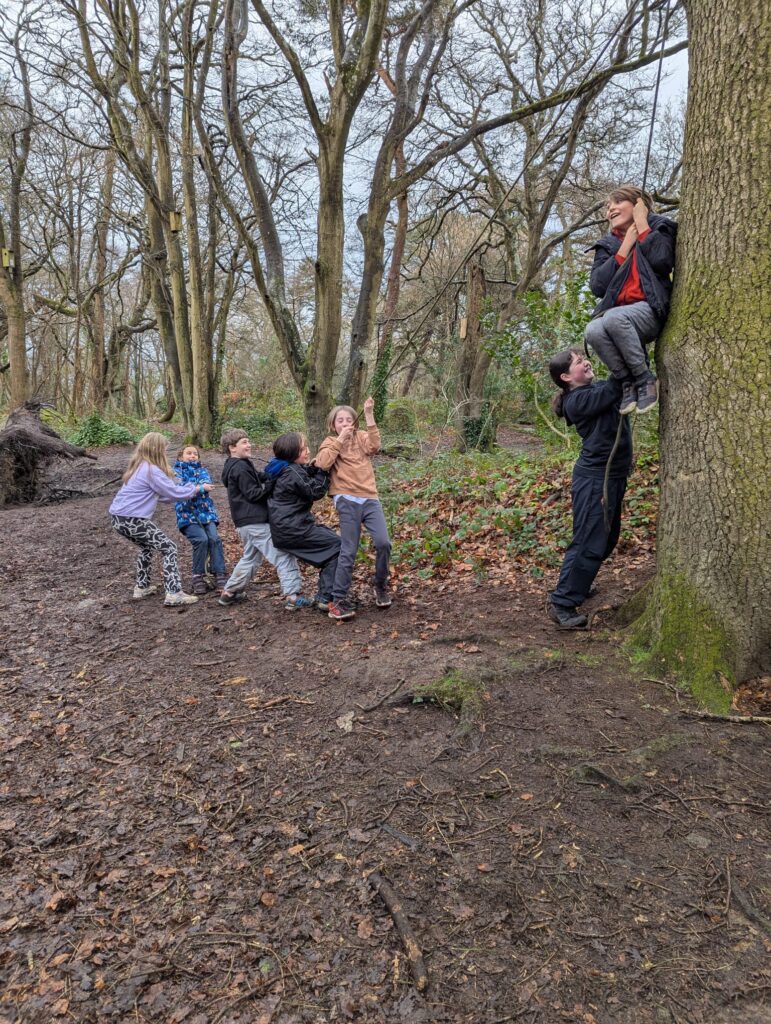
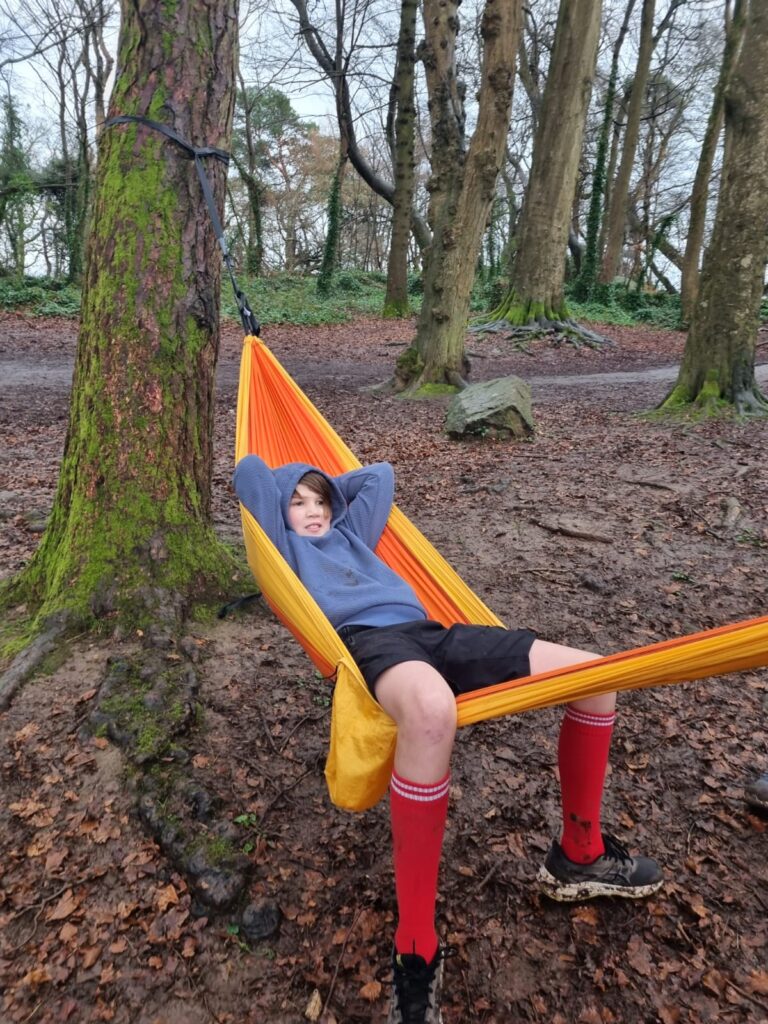
We put up tarps, built dens, greeted grandmother tree, learned about some plants, played games, acted out memories from previous sessions, made tea, used ropes, climbed on trees, had our sit spot, found and collected interesting things, worked together, played, co-operated, relaxed and had fun.
Each group used their space in distinct ways, guided by their interests and discoveries in their basecamp. Although all three groups began with the same overall plan, what emerged in each setting was unique— a reflection of child-led, nature-based learning in action. Some children gravitated toward building with natural materials, creating structures and collaborative play spaces. For others, quiet observation and sensory exploration took centre stage, with children drawn to textures, sounds, and small details in the environment. Elsewhere, skills were developed in putting up tarps, inspired by the changing weather. These differences are expected and a good sign: when children are given agency within a natural environment, their curiosity leads the learning in beautifully varied directions.
Bio-diversity & learning with nature
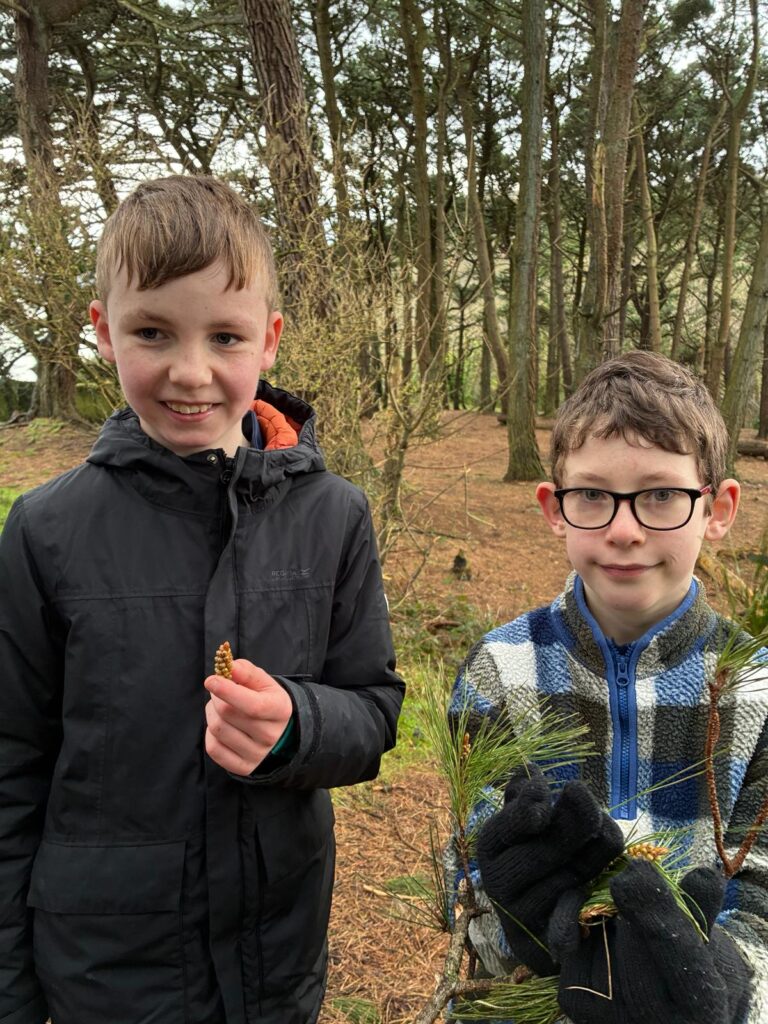
Below are photos of one plant we met that we made tea from, one plant that we learned about that remind us of a dock leaf but is poisonous to eat and another one we want to protect as the native variety grows in ancient woodland. Can you tell which is which?
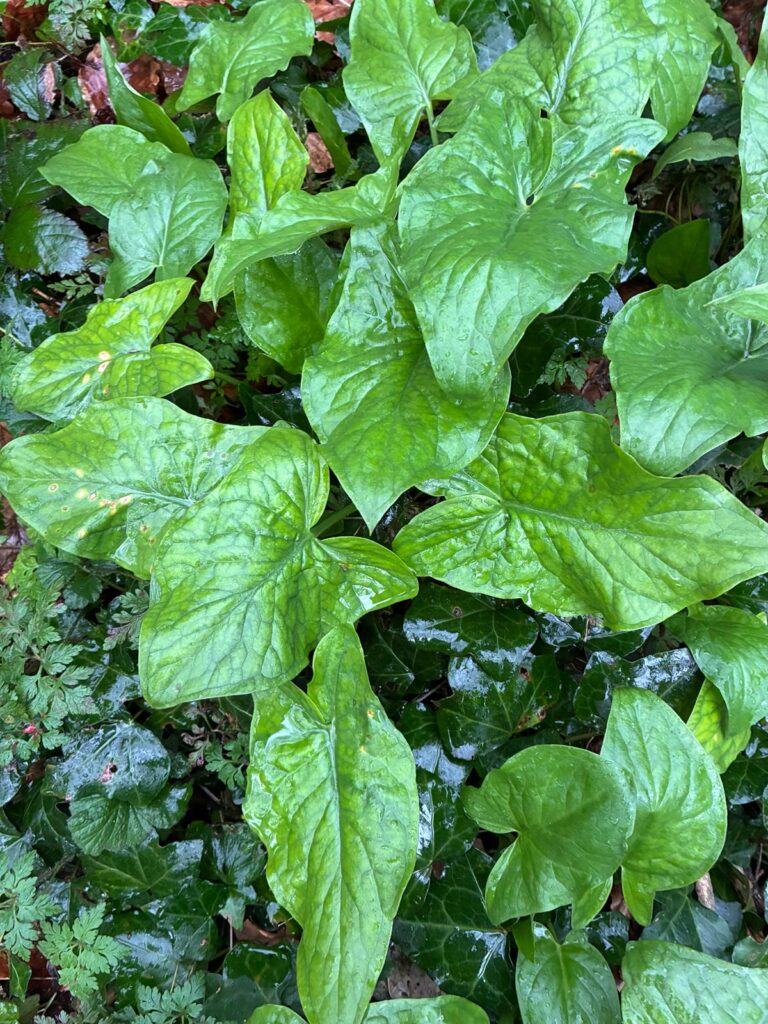
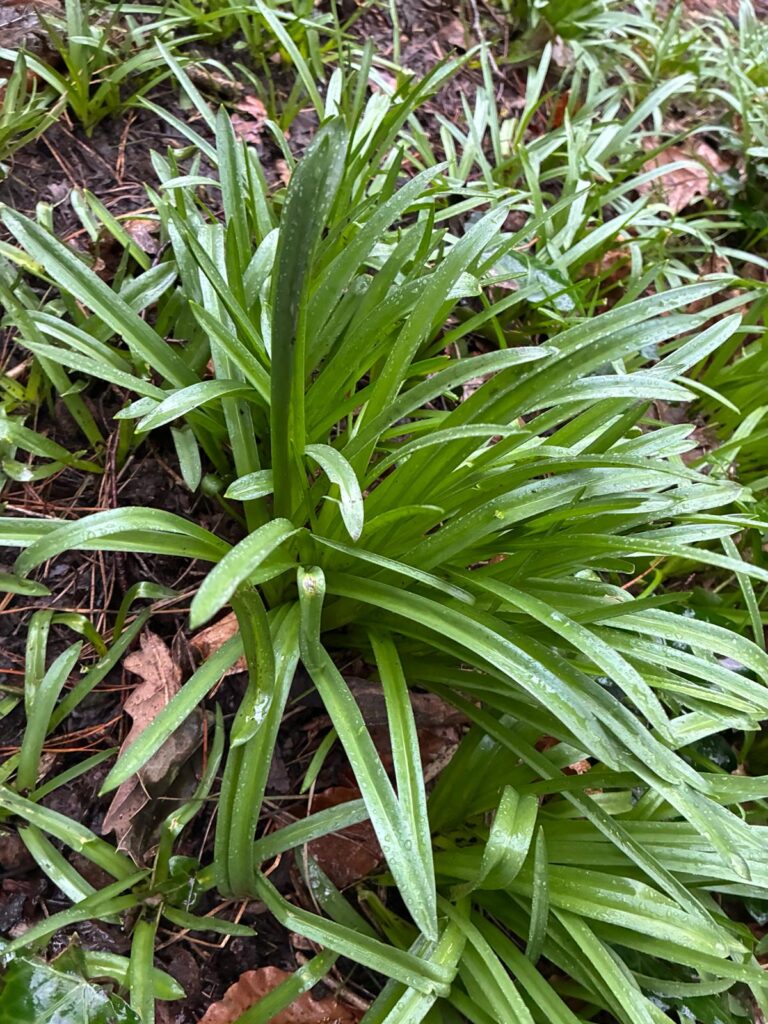
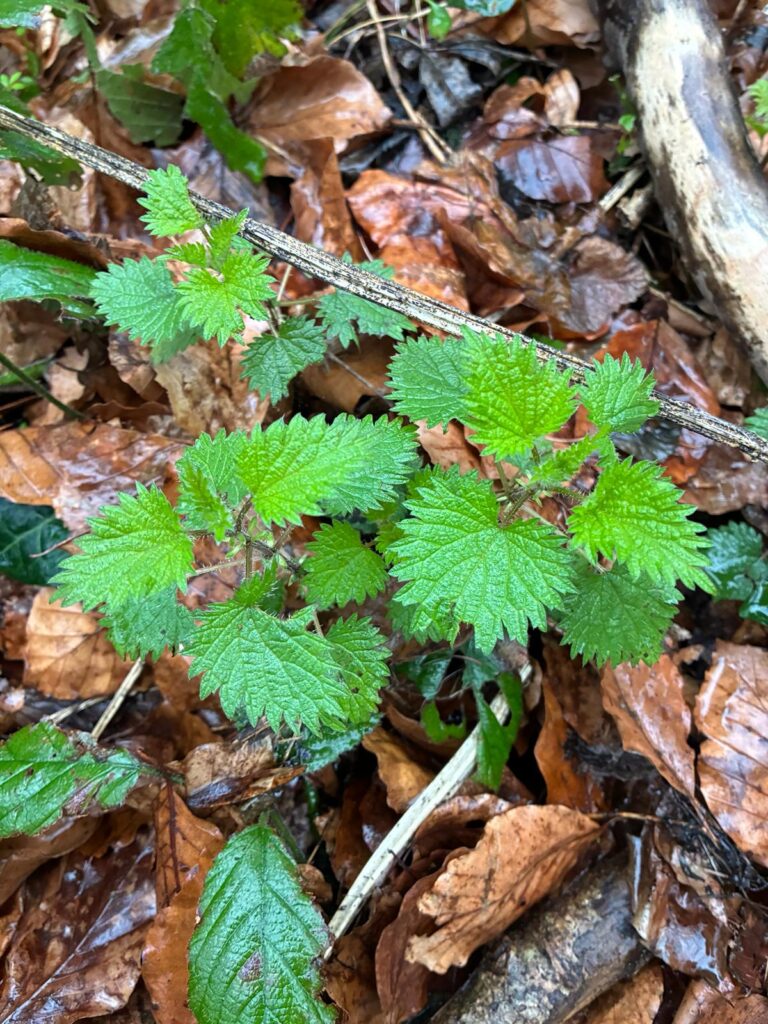
Biodiversity is about appreciating and hopefully caring for the rich variety of life on earth.
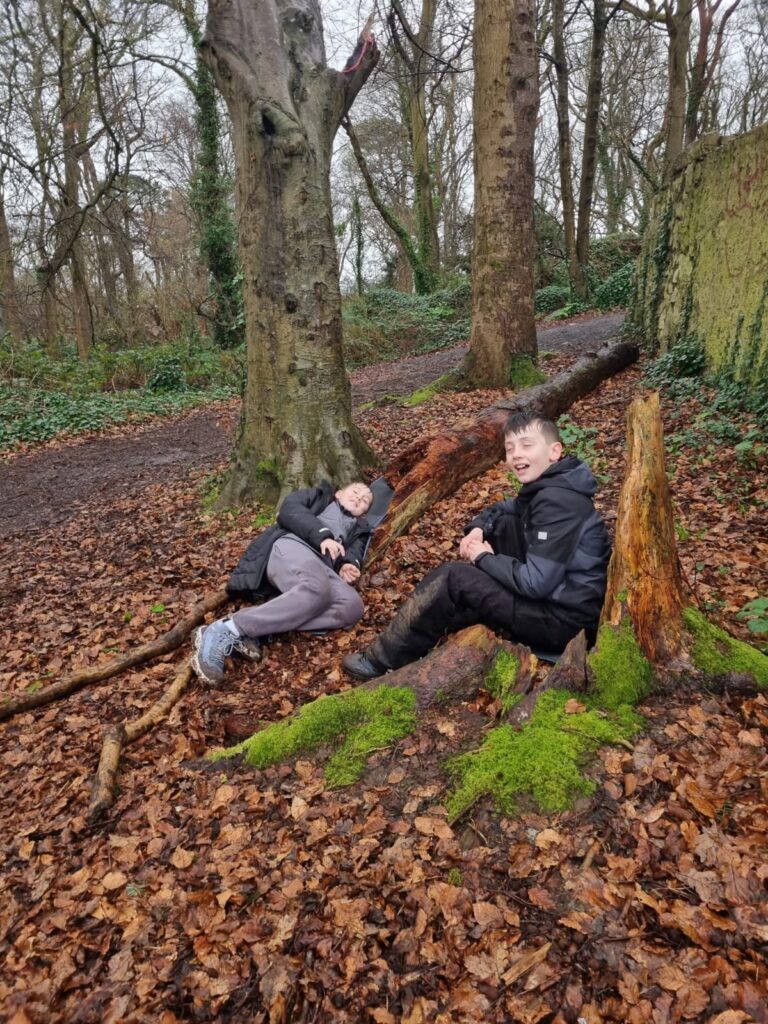
Our fallen tree friends are very valuable in the woodland ecosystem. Fallen branches, rotting stumps and dead trees are the lifeblood of any woodland. Decaying wood recycles nutrients back into the soil, provides food and nurseries for animals, and hosts spectacular collections of fungi. The diversity of species in decaying wood is incredibly high. Plants, fungi and animals use the microhabitats in deadwood for food as well as nesting, shelter and larval development.
Liz’s group
Cathy’s group
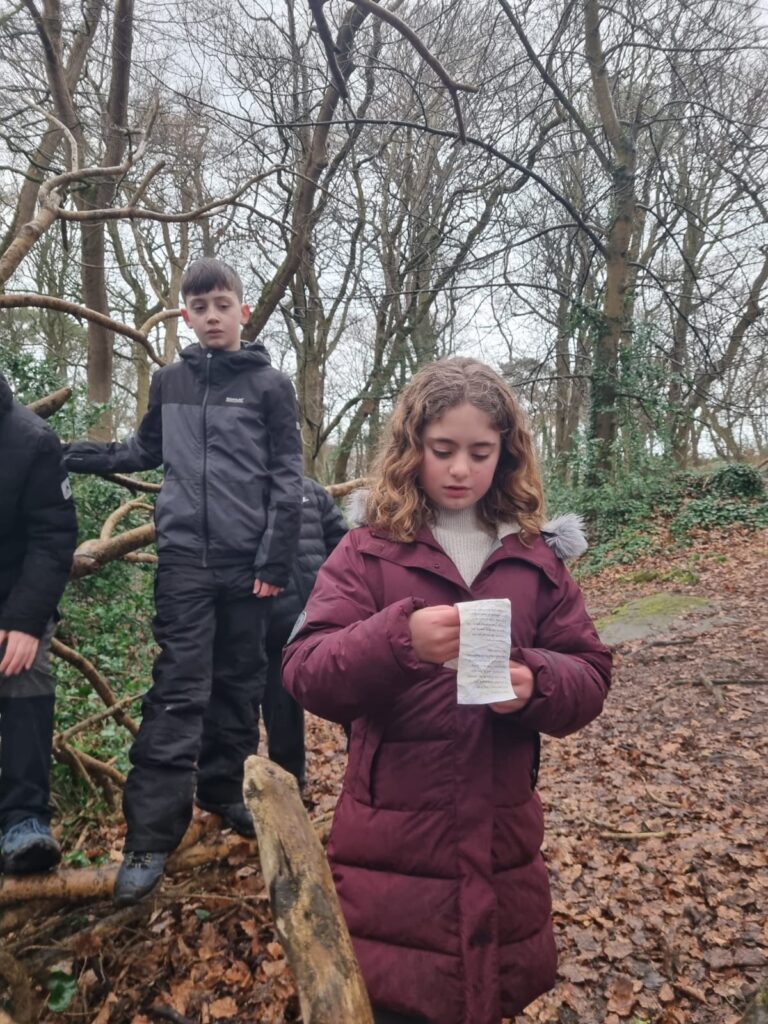
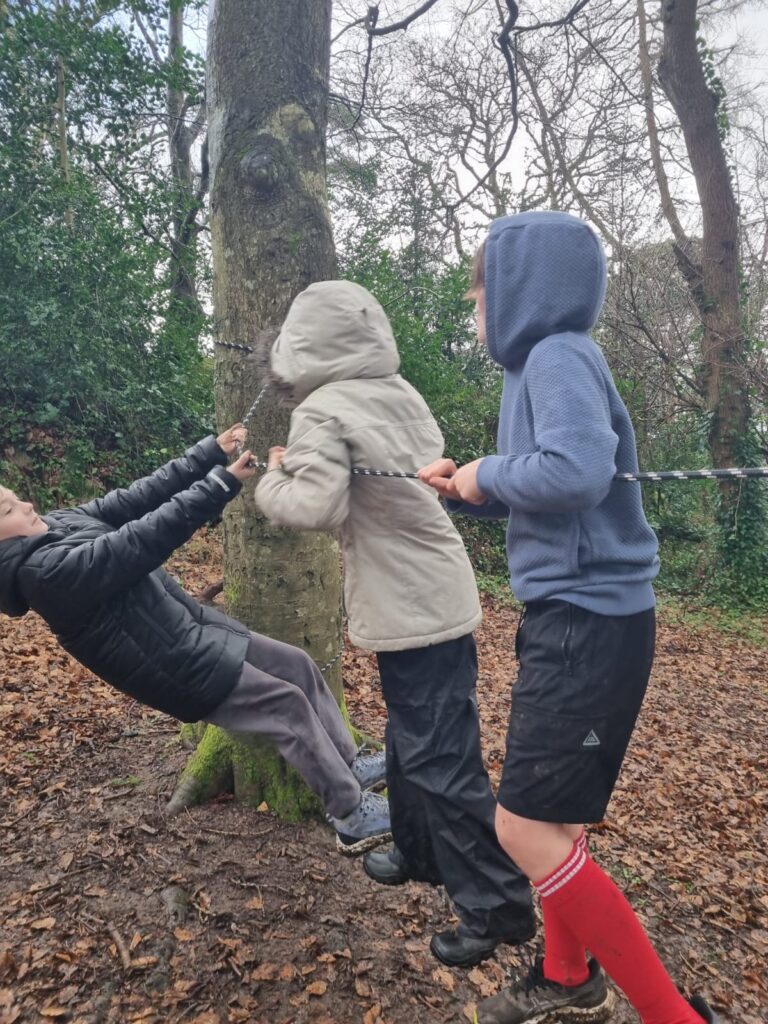
The sounds of being at one with nature!
Jenny’s group